Adaptive Compliance Protocols and Their Influence on Cross-Platform Reward Synchronization in International Mobile Wagering Networks
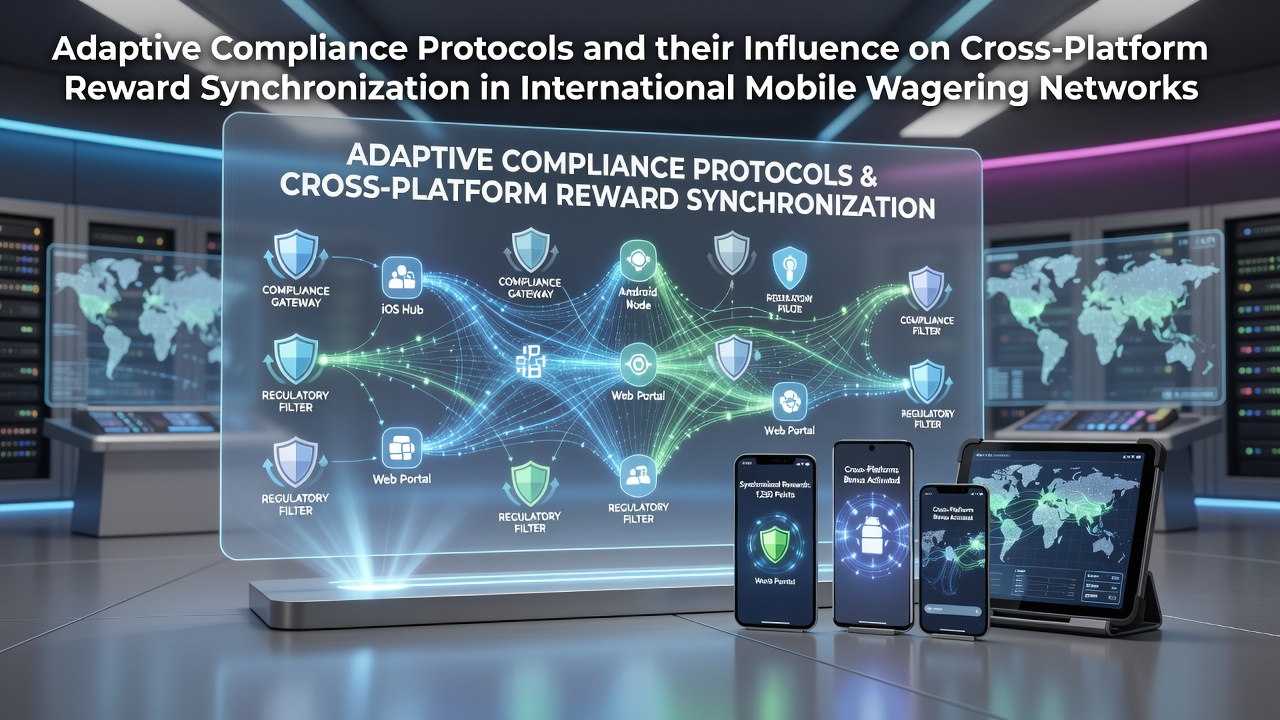
Adaptive compliance protocols operate as dynamic frameworks that adjust verification, anti-money laundering checks, and jurisdictional requirements in real time across mobile wagering platforms, and these systems directly shape how reward points, loyalty tiers, and promotional credits synchronize between different operators and regions. Observers note that as networks expand internationally, the need for protocols that respond to shifting regulations without disrupting user accounts has grown steadily, particularly in markets where operators must align with multiple national standards simultaneously.
Core Mechanisms Behind Adaptive Compliance
These protocols rely on modular software layers that pull data from centralized regulatory databases, local banking rules, and device-level signals to modify access and transaction rules on the fly. Research from industry groups shows that such systems reduce manual reviews by up to 40 percent while maintaining audit trails required by authorities in Europe, Asia-Pacific, and North America. Data indicates that operators using adaptive layers can process cross-border player transfers without resetting reward balances, provided the protocol flags jurisdiction-specific restrictions before synchronization occurs.
Take the case of a player moving from a regulated Australian market to an EU-based platform: the protocol detects the change in location, applies the appropriate responsible gaming limits, and recalibrates bonus eligibility without erasing accumulated points. Figures from the European Gaming and Betting Association reveal that synchronized reward systems now handle over 65 million monthly transactions across borders, with adaptive compliance handling the bulk of jurisdictional handoffs.
Impact on Reward Synchronization Processes
Cross-platform reward synchronization depends on shared ledgers that update loyalty status, cashback percentages, and tier benefits in near real time, yet these updates must pause or reroute when compliance rules differ. Adaptive protocols insert decision checkpoints that evaluate each reward transfer against the destination jurisdiction's requirements, which means a progressive jackpot contribution earned in one country may convert at a different rate or become ineligible in another. Those who manage large wagering networks report that synchronization latency drops when protocols pre-validate reward types against a rules engine updated daily from official sources.
Regional Variations and June 2026 Developments
By June 2026 several North American and Asian regulators had introduced updated data-sharing mandates that require adaptive protocols to log every reward adjustment with timestamped jurisdiction codes. Canadian provincial authorities, for instance, now require operators to demonstrate that synchronized bonuses do not bypass provincial deposit limits, while Australian frameworks emphasize real-time responsible gambling flags that travel with the player profile. These changes have prompted network architects to embed machine-learning models that predict compliance conflicts before a reward transfer initiates, thereby cutting the number of blocked synchronizations reported in the first half of the year.

Technical Integration Patterns Observed in Networks
Operators integrate these protocols through API gateways that sit between the mobile app, the central player database, and external regulatory feeds. The gateways evaluate each incoming reward event against a decision tree that incorporates currency conversion rules, tax withholding triggers, and age-verification status. Studies conducted by academic researchers at institutions tracking digital gambling trends indicate that networks employing unified compliance layers achieve 98 percent reward consistency across platforms, compared with 72 percent in systems relying on static rule sets. What's interesting is how the same architecture also supports live dealer sessions, where adaptive checks can pause play or adjust stake limits without interrupting the synchronized loyalty accrual that players expect.
One study released in early 2026 examined three major international networks and found that adaptive protocols reduced reward reversal incidents by 31 percent after implementation, largely because conflicting bonus rules were flagged at the point of transfer rather than after the fact. The systems also maintain separate audit logs for each jurisdiction, satisfying the traceability demands of bodies such as the Malta Gaming Authority and the New Jersey Division of Gaming Enforcement without requiring duplicate infrastructure.
Future Trajectory for Synchronization Standards
Industry reports project that by late 2027 most cross-border networks will operate under a common compliance schema that still allows regional overrides, which should further streamline reward synchronization while preserving local regulatory control. Observers tracking these developments point to ongoing pilot programs in which blockchain-based reward tokens move between platforms only after adaptive protocols confirm compliance at both ends. Such pilots have already demonstrated reduced settlement times for tiered loyalty redemptions that span multiple countries.
Conclusion
Adaptive compliance protocols have become central to the reliable operation of cross-platform reward synchronization in international mobile wagering networks, enabling operators to meet diverse regulatory demands without fragmenting player benefits. The mechanisms now in place balance real-time jurisdictional adjustments with consistent loyalty tracking, and continued refinement through 2026 and beyond will likely determine how seamlessly rewards travel across borders. Data from multiple regions confirms that these systems deliver measurable improvements in transaction integrity and regulatory adherence while supporting the complex ecosystems that define modern mobile wagering.