Biometric Authentication Protocols Redefining Entry Points to Interactive Dealer Sessions in Nationally Compliant Digital Casino Ecosystems
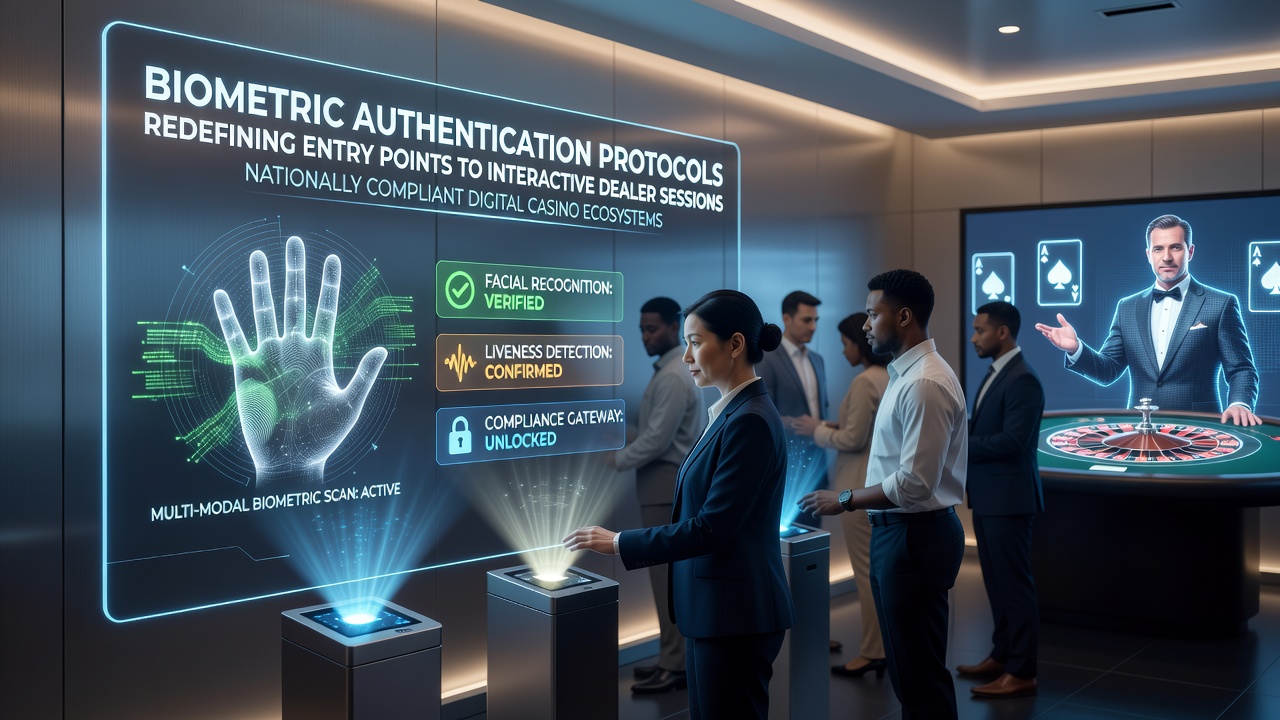
Biometric authentication protocols have shifted how players enter interactive dealer sessions across nationally compliant digital casino platforms, replacing traditional login methods with fingerprint, facial, and voice recognition systems that verify identity in real time. These technologies integrate directly with live streaming environments where dealers interact with participants through video feeds, and platforms must meet strict regulatory standards set by bodies such as the Nevada Gaming Control Board and the Malta Gaming Authority.
Operators deploy multi-factor biometric checks at the initial access point, which then grant entry to tables featuring real-time card dealing and player chat functions. Data from regulatory filings shows that adoption rates for these protocols increased steadily through 2025, with further implementations scheduled for rollout in several jurisdictions by July 2026. The systems capture unique physiological traits, convert them into encrypted templates, and compare them against stored records before allowing connection to dealer-hosted games.
Core Components of Biometric Entry Systems
Modern protocols combine hardware sensors on mobile devices with cloud-based matching algorithms, while software layers handle liveness detection to prevent spoofing attempts using photos or recordings. Researchers at academic institutions have documented how these layered approaches reduce unauthorized access incidents compared to password-only systems, and industry reports indicate error rates below 0.1 percent in controlled testing environments across European and North American platforms.
Integration with live dealer interfaces requires low-latency verification so that players move from authentication to active gameplay without noticeable delays. Platforms synchronize biometric data with session tokens that remain valid only for the duration of a single connection, after which re-verification occurs for subsequent tables. This process aligns with national compliance frameworks that mandate audit trails for every authentication event.
Regulatory Alignment Across Jurisdictions
National regulators require biometric systems to undergo independent testing for accuracy and data protection before operators receive licensing approval. In Canada, for example, the Alcohol and Gaming Commission of Ontario has outlined specific technical standards for biometric storage that prohibit retention of raw images, instead mandating irreversible templates. Similar rules appear in Australian legislation administered by state gaming authorities, which emphasize cross-border data transfer restrictions for platforms serving multiple markets.
These requirements shape how digital casino ecosystems design their entry points, ensuring that biometric data never leaves secure domestic servers when players access interactive dealer sessions. Compliance audits conducted in the first half of 2026 revealed that platforms meeting these benchmarks experienced fewer account takeover reports than those relying solely on two-factor authentication codes sent via SMS.

Technical Implementation in Live Environments
Entry points now feature adaptive thresholds that adjust based on device type and network conditions, allowing facial recognition to function reliably on both high-end smartphones and older tablets used by some players. Voice biometrics supplement visual checks during dealer sessions by analyzing speech patterns when players place bets or request game information through integrated audio channels.
Operators report that these combined methods cut average login times by nearly half while maintaining full traceability demanded by regulators. One documented implementation in a multi-state U.S. platform showed seamless handoff between biometric verification and live video feeds, with no interruption to the dealer-player interaction flow. The underlying architecture relies on standardized APIs that connect authentication servers directly to the streaming infrastructure hosting dealer tables.
Privacy and Data Handling Practices
National compliance rules dictate that biometric templates receive the same protection as financial records, with encryption standards matching those used in banking applications. Platforms must provide players with clear mechanisms to revoke consent and delete stored data, and several jurisdictions now require annual third-party reviews of these deletion processes. Studies conducted by university research teams have examined how these safeguards affect user retention, finding that transparent policies correlate with higher continued participation rates in regulated markets.
Cross-platform synchronization remains limited under current rules, so a player verified on one nationally licensed site cannot automatically transfer credentials to another without repeating the biometric enrollment step. This separation helps maintain jurisdictional boundaries while still allowing operators to offer consistent live dealer experiences within each ecosystem.
Future Developments Scheduled for Mid-2026
Updates planned for July 2026 include expanded support for iris scanning on newer device models and refined algorithms that account for changes in appearance over time, such as aging or cosmetic alterations. Regulatory bodies in multiple regions have already begun reviewing these enhancements through pilot programs that test compatibility with existing dealer session software. The focus remains on preserving the integrity of interactive gameplay while strengthening the entry protocols that precede it.
Conclusion
Biometric authentication continues to reshape access to interactive dealer sessions by embedding identity verification into the fabric of nationally compliant digital casino platforms. The combination of regulatory mandates, technical standards, and operational requirements has produced entry systems that prioritize both security and seamless connection to live environments. As implementations advance through 2026, these protocols stand as a central element in how regulated markets manage player entry while upholding compliance across borders.