Biometric Verification and Tiered Rewards: Integration Patterns in Mobile Gaming Platforms Within Regulated Markets
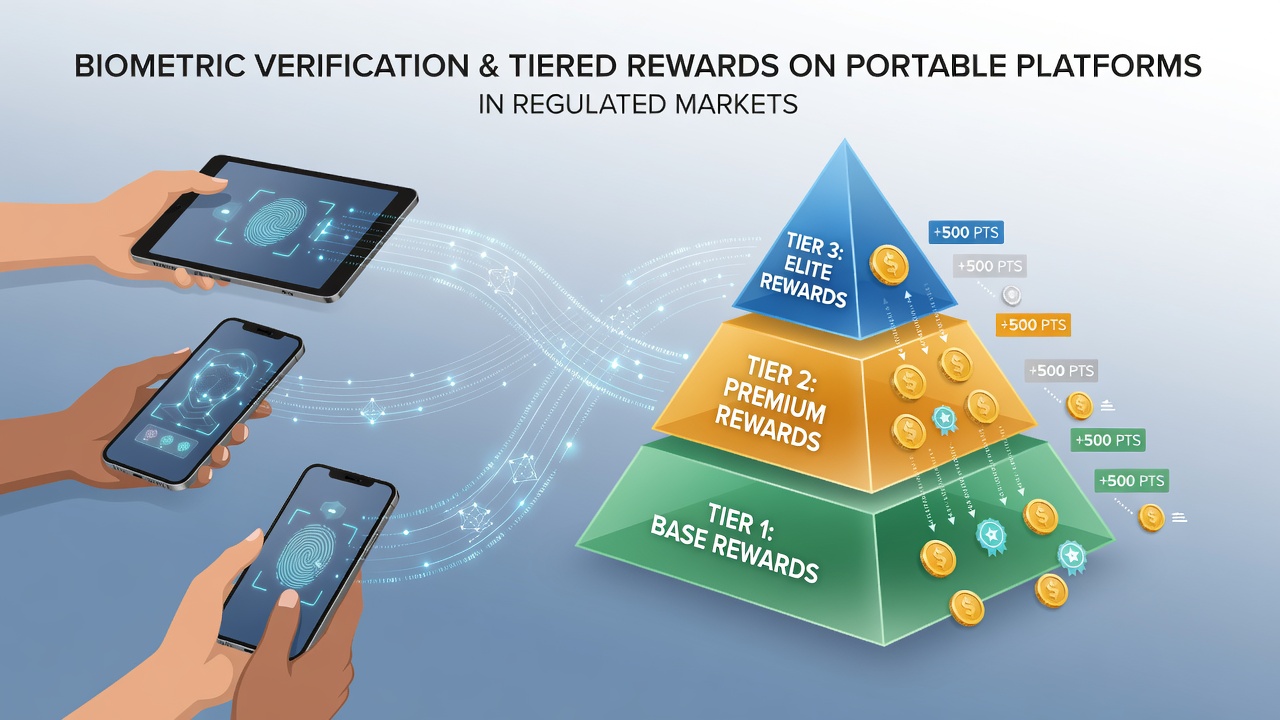
Biometric verification systems now link directly with tiered reward structures on portable gaming devices across multiple regulated jurisdictions, and this connection shapes how operators manage player access while distributing benefits based on activity levels. Data from industry reports indicate that mobile platforms incorporate fingerprint, facial, and voice recognition to confirm identities before unlocking progressive reward tiers, which range from basic entry-level perks to premium access levels that require sustained engagement thresholds.
Core Components of Biometric Systems in Regulated Environments
Operators deploy biometric tools primarily to satisfy identity confirmation mandates set by regional authorities, and these tools simultaneously feed into algorithms that track player behavior for reward allocation. Facial recognition software, for instance, processes live images captured through device cameras while cross-referencing stored profiles, which reduces instances of account sharing that could otherwise distort tier progression calculations. Research from the American Gaming Association shows adoption rates climbing steadily through 2025 into mid-2026, with several North American markets requiring such measures for any platform handling real-money transactions.
Tiered Reward Structures and Their Operational Logic
Tiered rewards operate on cumulative metrics such as total wagers, session frequency, and game variety, with each level granting escalating benefits including cashback percentages, exclusive event invitations, and accelerated withdrawal processing. Systems calculate eligibility in real time, yet they pause advancement until biometric checks reconfirm the account holder, thereby preventing unauthorized users from claiming higher-tier advantages. Observers note that this layered approach appears in platforms licensed under frameworks in New Jersey and several Australian states, where regulators mandate transparent tracking of both verification events and reward distributions.
Integration Mechanisms Across Portable Devices
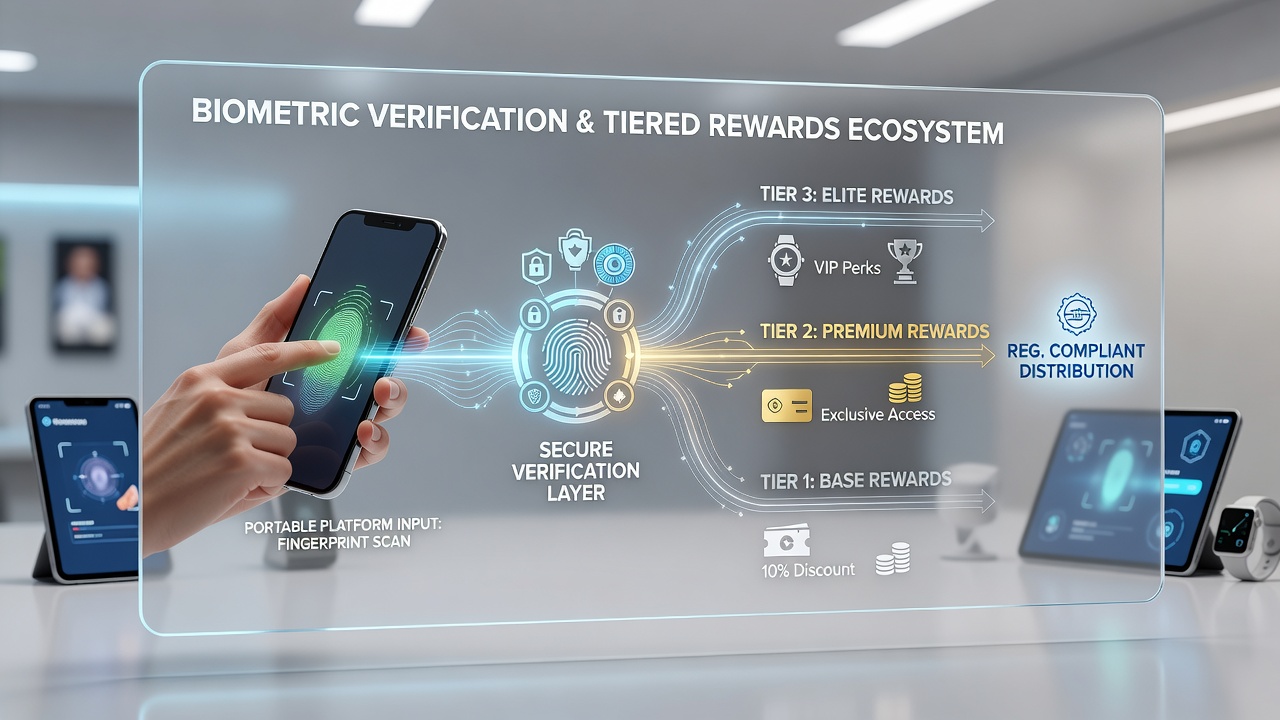
Mobile applications synchronize biometric data streams with backend servers that manage tier databases, using encrypted channels to transmit confirmation signals without storing raw biometric templates on user devices. When a player reaches a new reward threshold, the platform triggers an additional verification step, often via the same facial or fingerprint method used at login, which ensures continuity of identity throughout the reward lifecycle. This process extends across operating systems including iOS and Android variants, and developers adjust protocols to align with device-specific security features while maintaining compliance with local data protection rules.
One documented case involves a European operator that adjusted its mobile reward engine in early 2026 to require biometric re-authentication at each tier upgrade, resulting in measurable declines in disputed reward claims according to internal compliance logs shared with oversight bodies.
Regulatory Frameworks Shaping These Systems
Authorities in different regions impose overlapping requirements that influence how biometrics and rewards interact, with emphasis on audit trails for both identity events and benefit allocations. The New Jersey Division of Gaming Enforcement, for example, requires operators to log every biometric verification tied to financial transactions, including those that unlock higher reward tiers. Meanwhile, Australian regulatory reviews completed before July 2026 highlighted the need for clear separation between identity data and reward algorithms to prevent misuse, prompting several platforms to adopt segmented storage solutions.
Cross-Jurisdictional Patterns Emerging in 2026
Platforms operating across multiple regulated markets adjust their biometric-reward linkages to accommodate varying standards, such as stricter facial recognition frequency in one region versus lighter fingerprint requirements in another. Figures from the European Gaming and Betting Association reveal that synchronized systems grew by measurable margins during the first half of 2026, driven by operators seeking unified codebases that still satisfy local mandates. These adaptations include conditional reward holds that activate only after successful biometric matches, which helps maintain consistency while navigating differing enforcement priorities.
Technical Challenges and Mitigation Approaches
Device variability presents ongoing hurdles, since older smartphones may lack advanced sensors needed for reliable biometric reads, forcing fallback options that still connect to tier systems through alternative verification paths. Developers address latency issues by processing confirmations in the background during active sessions, allowing reward calculations to proceed uninterrupted once initial checks complete. Studies referenced by the National Council on Problem Gambling indicate that such hybrid approaches maintain security without significantly disrupting player progression through reward levels.
Conclusion
The connection between biometric verification and tiered reward distribution continues to evolve on portable platforms as regulators refine standards through July 2026 and beyond. Operators maintain these linkages through encrypted data flows and real-time checks that align identity confirmation with benefit eligibility across diverse markets. External sources such as reports from the American Gaming Association and analyses by the New Jersey Division of Gaming Enforcement document the expanding scope of these integrated systems in regulated environments.