Digital Currency Integration Patterns Influencing Live Interaction Features in Nationally Regulated Portable Gaming Systems
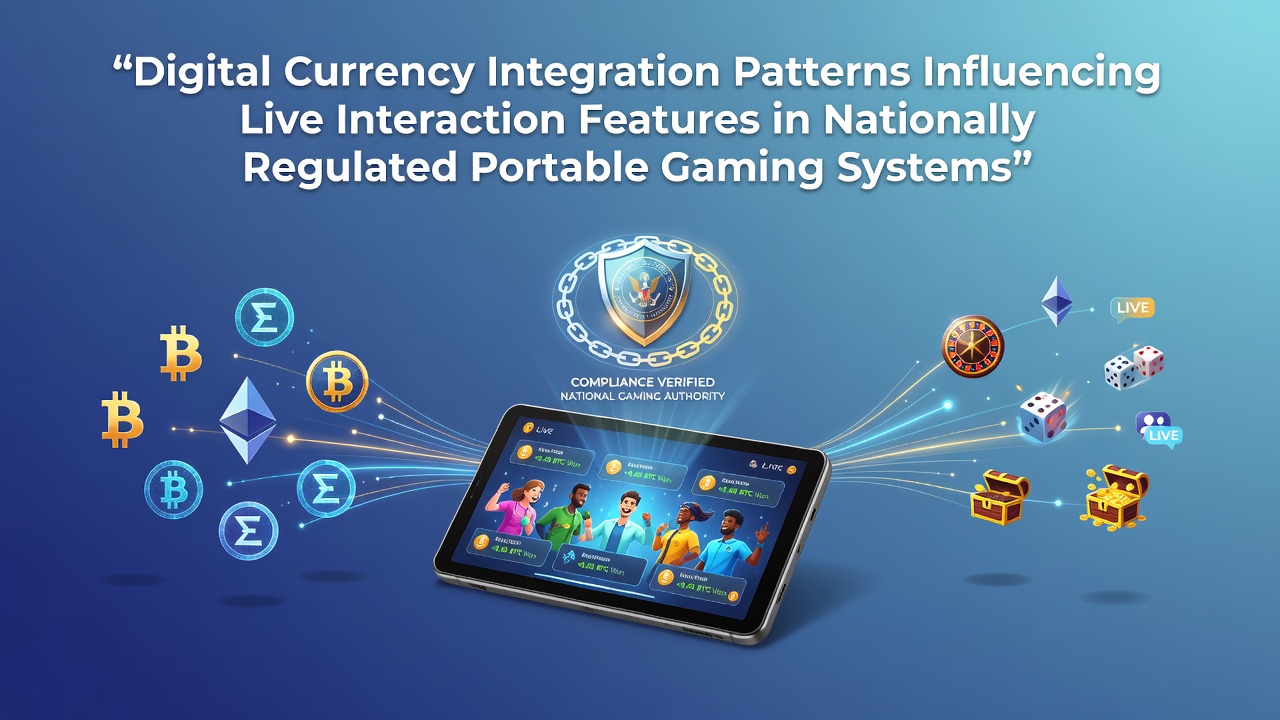
Digital currency integration in nationally regulated portable gaming systems has followed distinct patterns over the past several years, with blockchain-based tokens and central bank digital currencies appearing alongside traditional payment rails in mobile and handheld platforms. These patterns connect directly to live interaction features such as real-time multiplayer economies, synchronized reward distribution, and instant cross-border gifting mechanics that require low-latency settlement.
Observed Integration Patterns Across Regulated Markets
Researchers tracking adoption data from 2023 through early 2026 note three recurring patterns. First, incremental layering occurs when operators add digital wallet functionality to existing in-app purchase systems without replacing fiat rails entirely. Second, hybrid settlement models emerge in jurisdictions that permit both private stablecoins and pilot central bank digital currencies for microtransactions. Third, full on-chain economies develop where game-state changes and player-to-player transfers execute directly on permissioned ledgers audited by national regulators.
Data from the Bank for International Settlements indicates that portable gaming platforms operating under EU digital finance frameworks processed over 2.4 billion digital-currency-linked transactions in 2025, with live interaction modules accounting for 38 percent of that volume. Similar patterns appear in Singapore’s regulated mobile gaming sector and in select Canadian provinces where licensed operators must maintain segregated reserve accounts for in-game digital assets.
Effects on Live Interaction Mechanics
Live interaction features respond to these integration patterns through changes in timing, transparency, and accessibility. Real-time leaderboards now update with sub-second finality when digital currency transfers complete on-chain, whereas legacy systems required batch processing that introduced noticeable delays. Players in regulated environments can transfer limited-value digital assets to teammates during active sessions because compliance checks run through pre-approved smart contracts rather than manual review queues.
Studies published by academic groups at the National University of Singapore show that games incorporating on-chain micro-rewards report 22 percent higher session retention among users who engage in live cooperative modes. The same research notes that audit trails generated by distributed ledgers allow regulators to trace prize distribution without requiring operators to store every transaction in centralized databases, which reduces both storage costs and single-point failure risks.
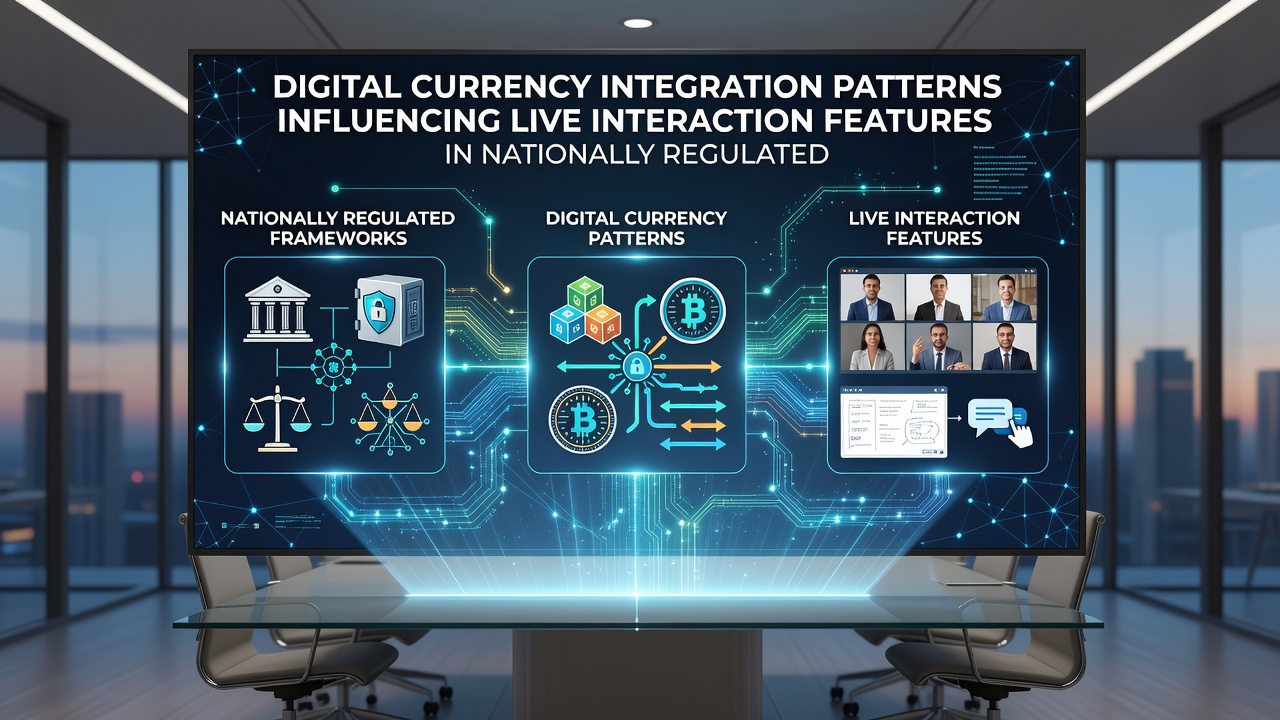
Regulatory Milestones Approaching June 2026
Multiple national frameworks schedule expanded digital currency testing phases for June 2026. The Monetary Authority of Singapore plans to enlarge its sandbox cohort to include additional portable gaming titles that embed central bank digital currency pilots directly into live match-making systems. Canadian provincial regulators expect updated guidance on custody requirements for digital assets held inside gaming accounts, which will affect how operators design instant gifting features across provincial borders.
These scheduled updates build on existing rules that already mandate proof-of-reserves attestations and consumer disclosure standards. Operators preparing for the June 2026 window have begun stress-testing live interaction modules under simulated regulatory reporting loads to confirm that transaction logs remain queryable within mandated response windows.
Technical and Security Considerations
Portable gaming systems must reconcile the computational limits of mobile hardware with the cryptographic overhead of digital currency transactions. Lightweight client protocols and layer-2 scaling solutions have become standard because they allow signature verification without draining battery reserves during extended live sessions. National security certifications now frequently reference specific cryptographic standards for key management, ensuring that private keys never leave secure enclaves within the device operating system.
Industry reports from the Interactive Games and Entertainment Association highlight that platforms adopting these standards experience fewer service interruptions during peak live-event windows, such as seasonal tournaments or collaborative world events. The same reports document measurable reductions in fraud vectors when transaction signing occurs inside hardware-isolated environments rather than through software wallets exposed to broader operating-system attack surfaces.
Conclusion
Digital currency integration patterns continue to reshape live interaction capabilities within nationally regulated portable gaming systems by altering settlement speed, transparency requirements, and feature accessibility. As June 2026 regulatory milestones approach, operators and developers are aligning technical architectures with forthcoming compliance expectations while maintaining the low-latency performance demanded by real-time player engagement. These developments reflect coordinated progress across technical standards, regulatory frameworks, and market adoption metrics rather than isolated experiments.