Intersections of Certification Protocols and Tiered Incentive Models Across Portable Digital Betting Networks

Portable digital betting networks rely on certification protocols that verify security standards, data encryption, and operational compliance while tiered incentive models allocate rewards based on user activity levels, deposit volumes, and engagement metrics, and these two systems often converge in ways that shape platform accessibility across multiple jurisdictions.
Certification Protocols in Mobile Wagering Environments
Certification protocols establish baseline requirements for software integrity, payment processing security, and random number generation in portable betting applications, and regulatory bodies in regions such as Canada and Australia require independent audits before platforms receive operational approval. Data from iGaming Ontario indicates that certified systems processed over 85 percent of mobile wagers in the province during the first half of 2026, which demonstrates how these protocols create trusted environments where incentive structures can operate without interruption. Observers note that protocols also cover user identity verification processes, which feed directly into reward eligibility checks and prevent unauthorized access to tiered benefits.
Structure of Tiered Incentive Models
Tiered incentive models organize rewards into progressive levels where participants advance through bronze, silver, gold, and platinum categories based on cumulative activity, and each tier unlocks additional features such as enhanced cashback percentages, priority support access, and exclusive event invitations. Research from the Canadian Gaming Association shows that networks implementing these models recorded a 32 percent increase in average session duration among users who reached mid-tier status by July 2026. These models depend on accurate tracking systems that certification protocols help secure, since any breach in data handling could compromise reward calculations and user trust across borderless platforms.
Points of Intersection Between Protocols and Incentives
Certification requirements often mandate that reward distribution algorithms undergo testing for fairness and transparency, which means tiered models must align with audited code before deployment. Platforms that meet these standards can synchronize user progress across devices while maintaining compliance records that regulators review during periodic assessments. One study released by the University of Nevada, Las Vegas in early 2026 examined 12 networks and found that certified incentive systems reduced dispute rates by 27 percent compared with non-certified alternatives, because verification layers confirm both player eligibility and reward accuracy before distribution occurs.
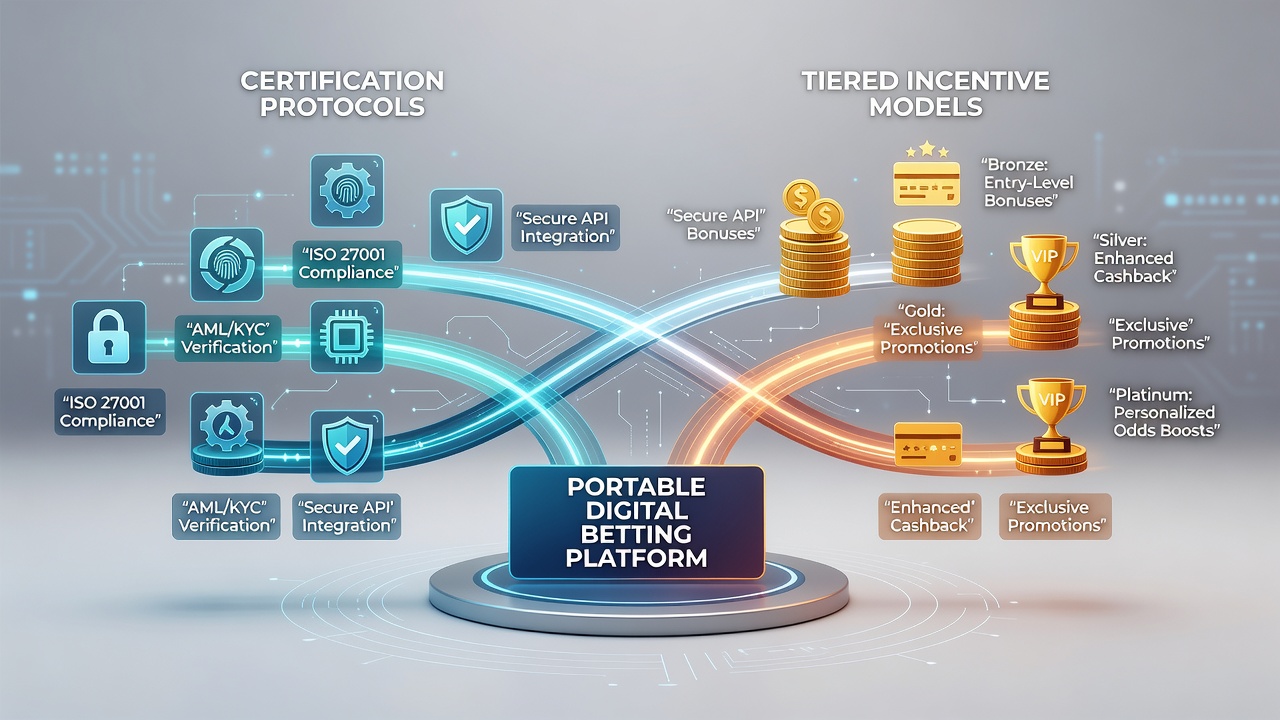
What's interesting is how these intersections influence cross-border operations, since networks serving users in multiple countries must satisfy varying certification standards while preserving consistent tier progression for international players. Australian regulatory updates effective in March 2026 required additional encryption layers for reward databases, and networks that adapted quickly maintained uninterrupted access to platinum-level benefits for qualifying users. Those who've studied these developments know that certification failures can freeze tier advancement until issues resolve, which creates temporary gaps in incentive delivery.
Regional Implementation Patterns
European networks certified under the Malta Gaming Authority framework integrate incentive tiers with real-time compliance dashboards that flag unusual activity patterns before rewards finalize, and this approach has spread to several North American operators by mid-2026. Canadian platforms, meanwhile, link certification status directly to marketing approval for tiered promotions, which ensures that only verified systems advertise loyalty benefits to mobile users. Data shows that networks operating across these regions experienced fewer compliance interventions when their incentive algorithms received pre-launch certification reviews.
Developments Observed Through July 2026
By July 2026 several portable networks introduced unified certification portals that allow operators to submit incentive model documentation alongside security audits, which streamlines approval timelines for new tier structures. Industry reports indicate that this consolidation reduced average certification wait times from 14 weeks to nine weeks for participating platforms. Those monitoring the space have observed that synchronized verification processes also improve reward synchronization across devices, since certified protocols validate both security and incentive logic in a single workflow.
Conclusion
The connections between certification protocols and tiered incentive models continue to define operational standards for portable digital betting networks, and ongoing regulatory refinements in multiple regions maintain pressure for tighter integration. Networks that align these systems effectively demonstrate measurable improvements in user retention metrics and compliance outcomes according to available industry data. Future adjustments will likely focus on automated certification checks that further embed incentive calculations within verified security frameworks.