Mapping Certification Pathways That Connect Device Compatibility With Tiered Incentive Systems Across Global Gambling Zones

Certification pathways in global gambling zones establish clear connections between device compatibility testing and tiered incentive structures that operators apply to player accounts. These pathways rely on standardized verification processes that confirm whether mobile devices, operating systems, and network connections meet jurisdictional requirements before any rewards unlock at higher tiers. Data from regulatory bodies show that compatibility checks occur at multiple stages, beginning with initial device registration and extending through ongoing compliance audits scheduled throughout the year.
Core Certification Frameworks in Major Jurisdictions
Regulatory authorities in regions such as Malta, New Jersey, and parts of Australia maintain separate yet overlapping certification requirements that link hardware specifications directly to reward eligibility. Observers note that these frameworks require operators to document how each approved device model interacts with backend systems that calculate tier progression. In July 2026 several jurisdictions plan synchronized updates to their testing protocols, aligning device compatibility criteria with new incentive allocation algorithms that adjust reward multipliers based on verified hardware performance metrics.
Certification bodies evaluate factors including screen resolution, processor speed, and secure element availability when determining whether a device qualifies for access to premium tier benefits. Studies from industry research groups indicate that devices failing these benchmarks receive restricted access to certain promotional structures until upgrades occur or alternative verification methods receive approval.
Device Compatibility Standards and Their Integration Points
Compatibility testing covers both hardware and software layers, with particular attention paid to operating system versions and security patch levels. Gaming authorities require operators to maintain updated compatibility lists that feed directly into tier management platforms. Those who oversee these systems report that integration occurs through application programming interfaces that transmit compatibility status in real time whenever players attempt to claim tier-based rewards.
Regional variations appear most clearly when comparing requirements across North American and European markets. North American regulators tend to emphasize hardware-level security features such as biometric authentication modules, whereas European frameworks place greater weight on software integrity and network encryption standards. This divergence creates distinct mapping requirements for operators serving multiple zones simultaneously.
Pathways Linking Compatibility to Tier Progression
The actual mapping process follows a sequence that begins with device enrollment and concludes with automated tier assignment. First, the system confirms that the device passes baseline compatibility tests. Next, it cross-references the results against jurisdiction-specific incentive rules. Finally, the platform calculates the appropriate reward tier and applies corresponding multipliers to future activity.
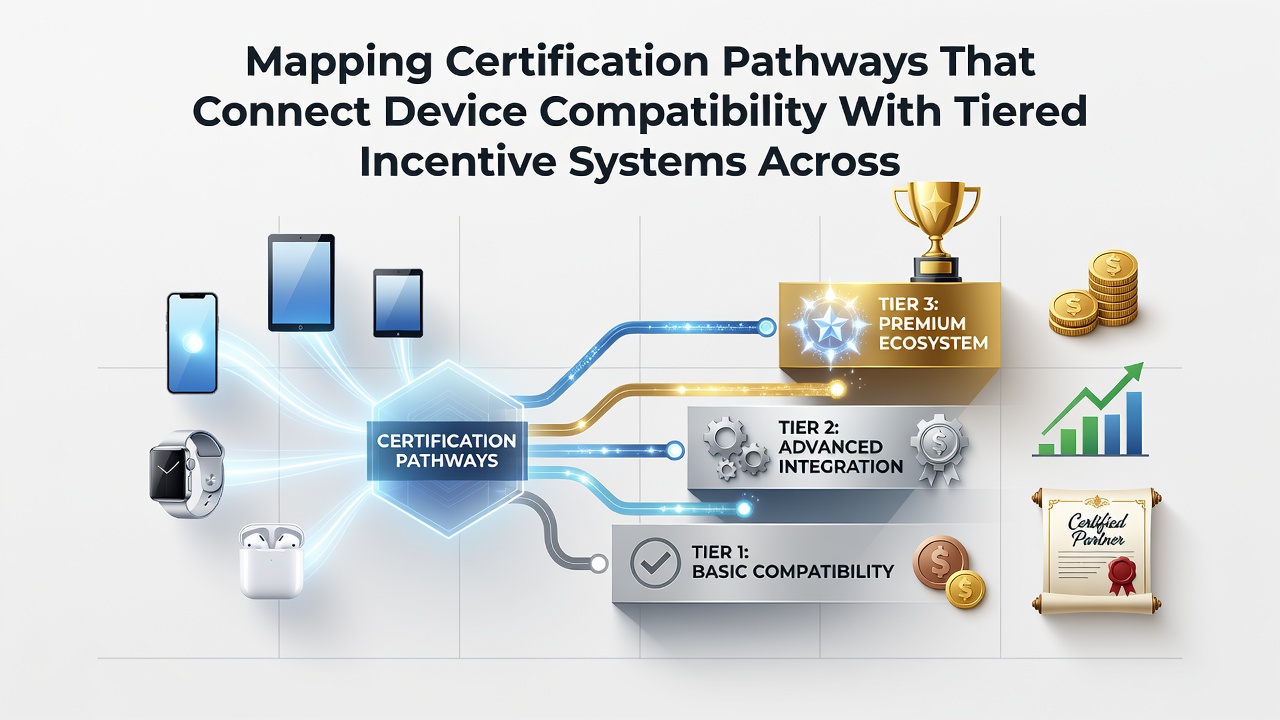
Operators must document each step because regulators conduct periodic reviews that examine whether tier assignments accurately reflect verified device status. According to reports published by the American Gaming Association, discrepancies between compatibility records and tier assignments trigger mandatory corrective actions that can include temporary suspension of certain promotional features.
Regional Implementation Patterns
Implementation differs across zones because local laws dictate how frequently operators must re-verify device status. Some jurisdictions require quarterly checks while others mandate continuous monitoring through background processes. Research from the University of Nevada, Las Vegas Center for Gaming Research shows that continuous monitoring correlates with higher rates of accurate tier placement across multi-jurisdictional networks.
Operators serving Australian markets face additional requirements related to geolocation verification that integrate directly with device compatibility checks. These combined validations determine whether players qualify for location-specific incentive tiers that differ from those available in other regions.
Conclusion
Certification pathways continue to evolve as regulators refine the connections between device compatibility and tiered incentive systems. The mapping process requires consistent documentation, real-time data exchange, and periodic audits that ensure alignment across global gambling zones. As updates scheduled for July 2026 take effect, operators and regulators alike will track how these refined pathways influence both compliance outcomes and player progression mechanics within regulated environments.