Mapping Regional Banking Policy Shifts Onto Virtual Table Accessibility Patterns in Asia-Pacific Portable Wagering Networks
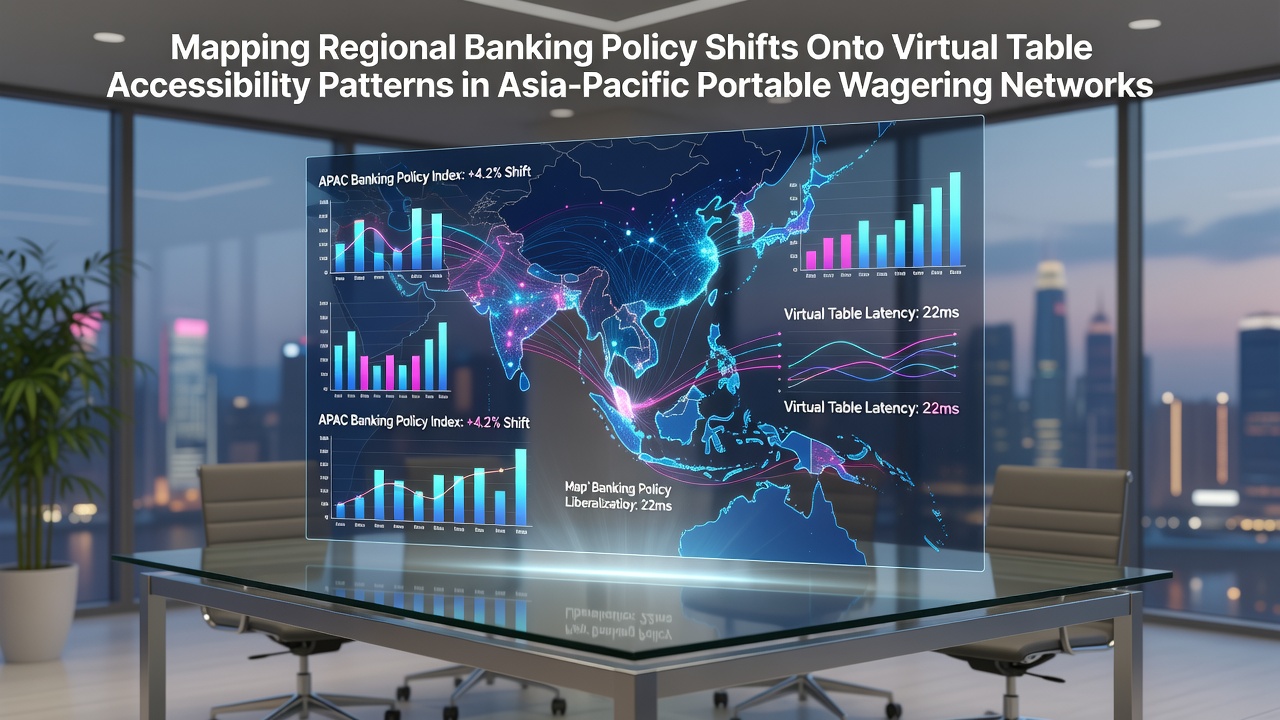
Banking regulations across the Asia-Pacific region continue to reshape how portable wagering networks handle virtual table access, with shifts in payment processing rules directly influencing which jurisdictions can sustain real-time blackjack, roulette and baccarat sessions on mobile devices. Data from regulatory filings shows that transaction monitoring requirements introduced in multiple markets have altered the speed and reliability of funding mechanisms that support live dealer environments.
Policy Changes in Key Markets
Australia's updated financial transaction guidelines, administered through the Australian Communications and Media Authority, now require gambling operators to route certain high-value transfers through verified domestic channels before they reach offshore servers that host virtual tables. Observers note these requirements have produced measurable delays in deposit confirmation times for Australian users attempting to join cross-border mobile sessions. Meanwhile Singapore's Monetary Authority maintains strict licensing criteria that limit the types of digital wallets permitted to interact with licensed portable platforms, creating a narrower set of accessible payment rails for virtual table play.
Japan's Financial Services Agency implemented revised guidelines in early 2026 that classify certain virtual currency conversions as reportable gambling transactions, and those rules took full effect by July 2026. The change forced network operators to reconfigure their backend reconciliation processes, resulting in temporary reductions in table availability for Japanese IP addresses during peak evening hours. Similar adjustments appeared in South Korea where banking circulars restricted the use of overseas-issued cards for gaming-related transfers, prompting operators to deploy localized proxy servers that maintain session continuity for virtual table participants.
Accessibility Patterns Across Mobile Networks
Portable wagering networks in the Philippines and Malaysia have demonstrated different adaptation strategies because local central banks permit faster settlement of gambling-linked transactions when operators maintain onshore data centers. Research indicates these jurisdictions experienced steadier virtual table uptime compared with markets enforcing stricter cross-border fund movement controls. Network logs reveal that average session lengths for live dealer games remained consistent in regions where banking policies allowed direct integration between licensed payment gateways and mobile applications.
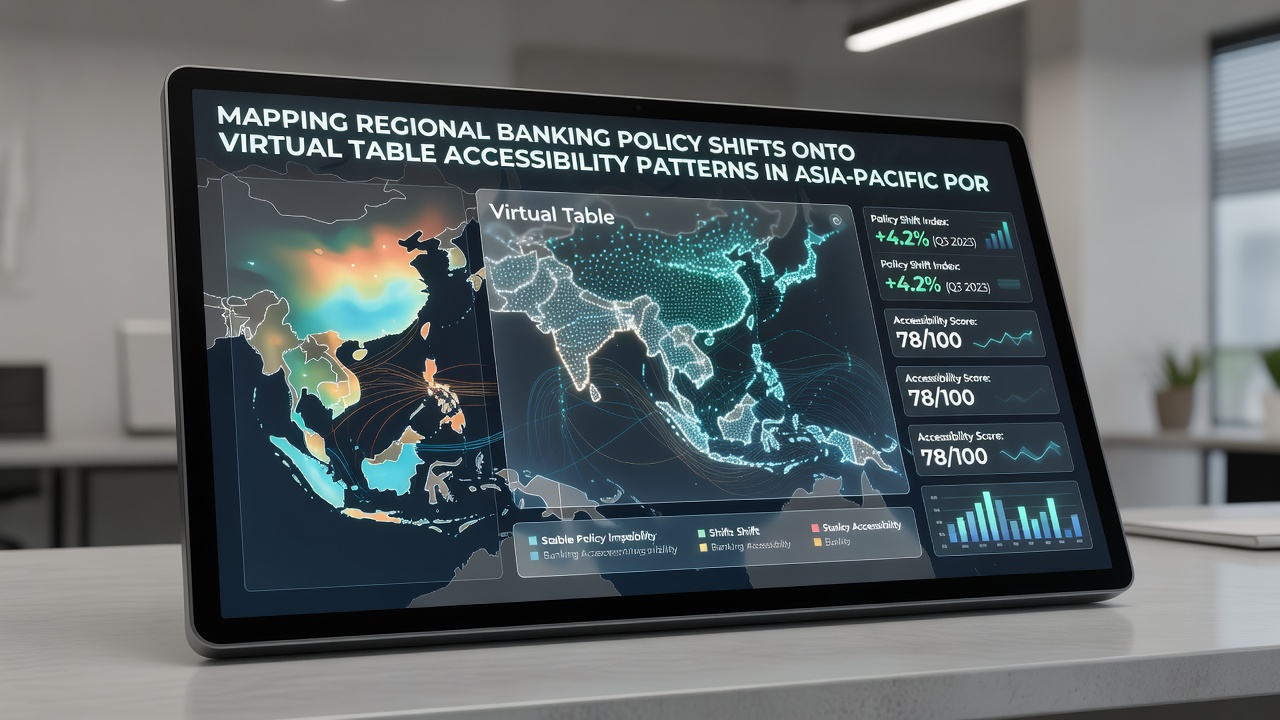
Thailand's evolving digital asset regulations have introduced an additional layer of verification for users funding accounts through cryptocurrency exchanges, and operators report that these steps have lengthened the time required to enter virtual poker and baccarat tables. In contrast, operators serving New Zealand players have benefited from banking policies that treat gambling transactions as standard financial activity provided operators display clear risk disclosures, allowing smoother onboarding flows for mobile users.
Technical Adjustments and Network Responses
Network engineers have responded by mapping each policy change onto specific access parameters within their virtual table infrastructure. When a regional bank imposes new daily transfer limits, operators adjust table minimums and maximums dynamically so that users remain within compliance thresholds while still participating in live dealer rounds. Data centers located in Singapore and Hong Kong now run parallel compliance engines that tag each transaction with the originating jurisdiction's current regulatory status before granting table entry.
Studies conducted by the Asia-Pacific Gaming Research Institute show that markets experiencing the most frequent banking policy revisions also display the highest rates of session fragmentation, where players must reconnect multiple times during a single virtual table sitting. Operators mitigate these interruptions by caching player balances locally on devices until the next banking policy update syncs across the network, preserving continuity even when central clearing systems experience temporary blocks.
Future Mapping Considerations
Analysts tracking these developments expect further alignment between banking circulars and mobile network protocols as portable wagering continues to expand. Jurisdictions that coordinate their financial oversight bodies with gambling regulators appear better positioned to maintain uninterrupted virtual table access, whereas fragmented approaches produce more frequent service adjustments. The pattern suggests that accessibility will continue to depend on how precisely each regional banking framework maps onto the technical requirements of live dealer streaming and real-time settlement systems.
Conclusion
Regional banking policy shifts have produced distinct accessibility patterns across Asia-Pacific portable wagering networks, with virtual table availability tied directly to the speed and scope of financial transaction approvals in each market. Operators that maintain flexible infrastructure capable of responding to these shifts sustain broader player participation, while those operating under rigid policy environments encounter recurring limitations on live dealer functionality. The ongoing interaction between banking rules and mobile network design continues to define which users can reliably access virtual tables throughout the region.