Regional Safety Benchmarks Shaping Withdrawal Flexibility Across Borderless Live Gaming Platforms
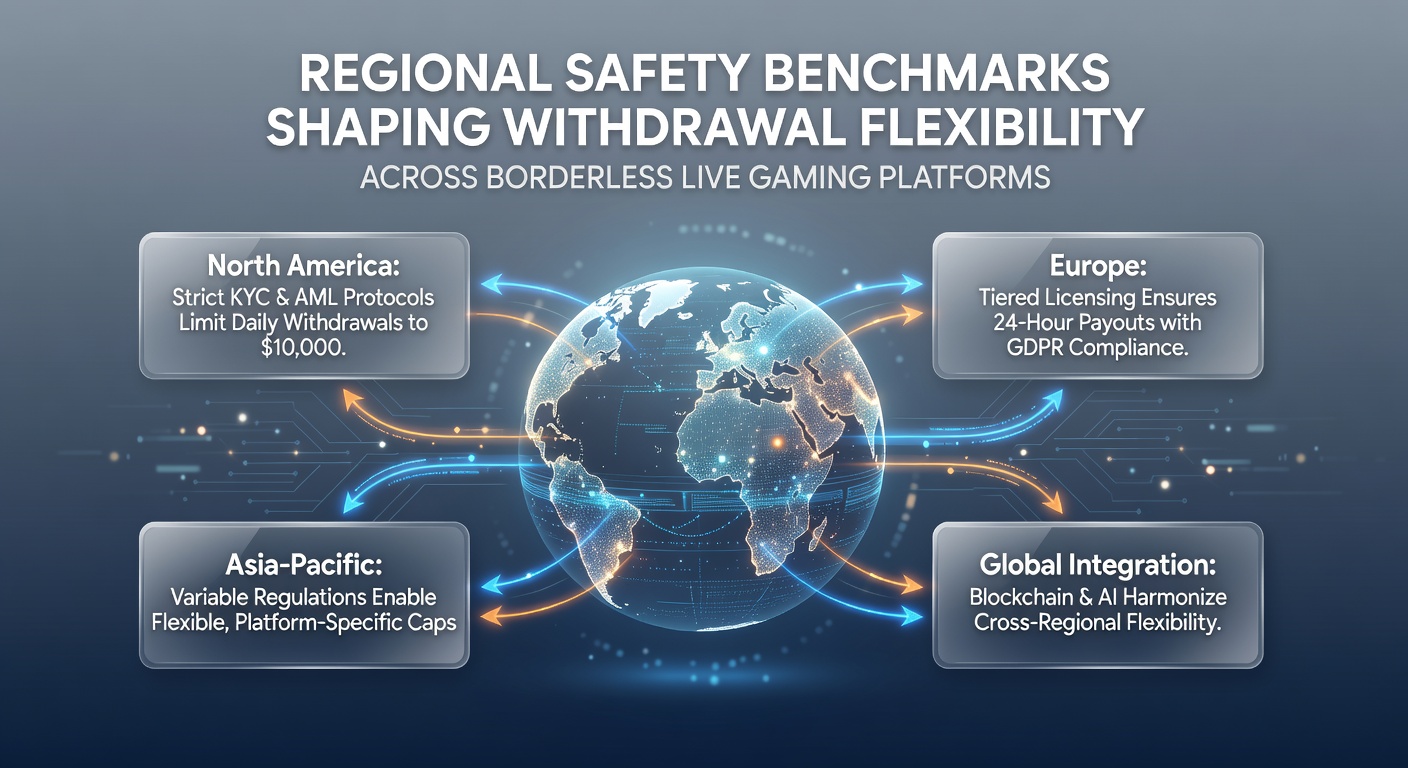
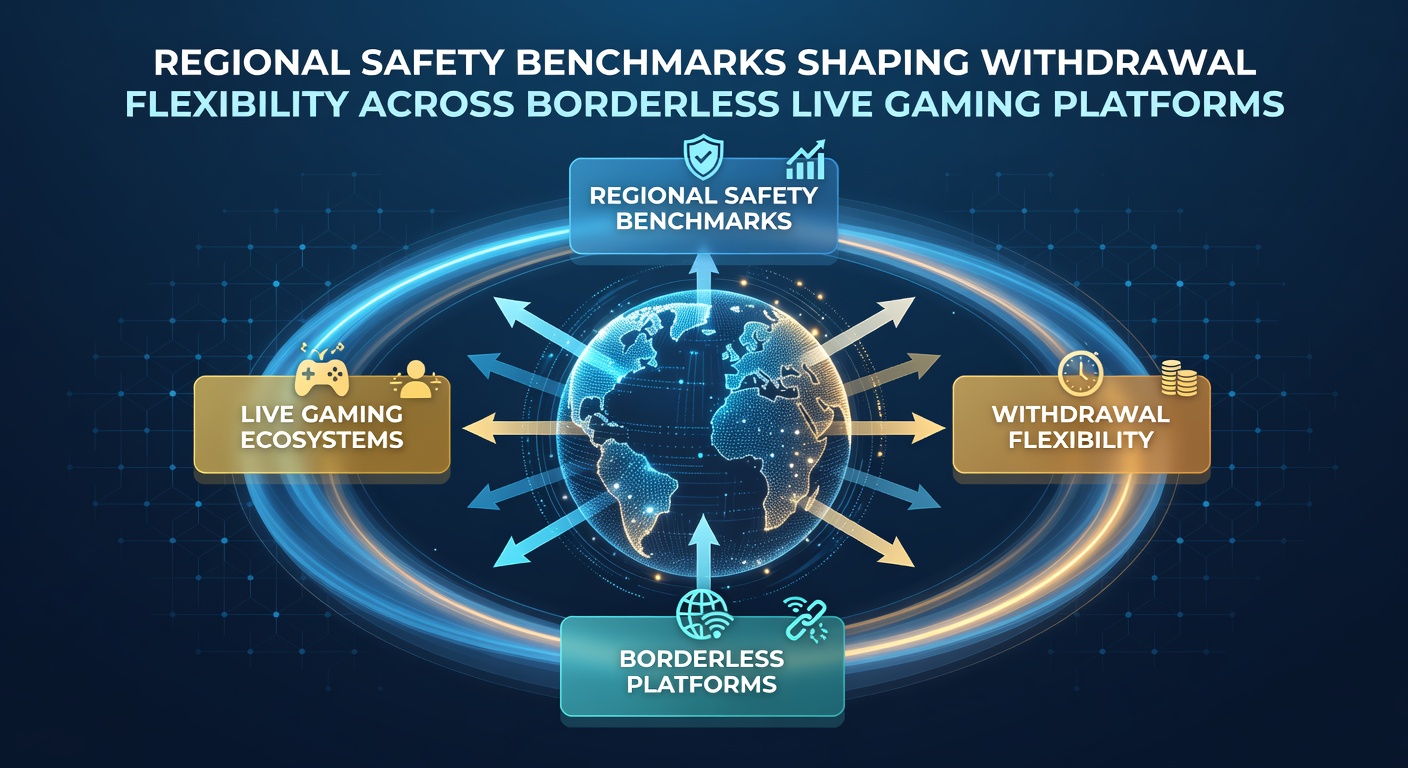
Regional safety benchmarks continue to influence how borderless live gaming platforms manage withdrawal flexibility, as operators balance compliance requirements across multiple jurisdictions. Data from international regulatory sources shows these standards often determine processing times, verification layers, and available payment channels for players in different markets.
Core Elements of Regional Safety Frameworks
Authorities in various regions establish distinct criteria for transaction security, identity verification, and fund protection that directly affect withdrawal options on live dealer platforms. Malta's Gaming Authority, for instance, requires multi-factor authentication protocols and regular audits, while Australian state regulators emphasize consumer protection measures tied to transaction monitoring. These rules create a patchwork where platforms must adapt withdrawal systems to satisfy each region's standards without disrupting cross-border operations.
Observers note that platforms operating in multiple territories frequently implement tiered verification processes, where higher safety thresholds in one jurisdiction slow withdrawals for users from less stringent areas. Research indicates this approach stems from efforts to maintain operational licenses rather than uniform global policies.
Withdrawal Mechanisms Under Regulatory Pressure
Borderless platforms adjust withdrawal flexibility based on regional mandates for anti-money laundering checks and source-of-funds documentation. European operators often face extended review periods when safety benchmarks require enhanced due diligence for amounts above certain thresholds, whereas platforms serving Asian markets may prioritize speed through pre-approved e-wallet integrations that meet local data protection rules.
Studies from the Canadian Gaming Association reveal that integration of real-time monitoring tools has become standard in regions with stricter benchmarks, allowing faster approvals once initial safety criteria clear. Platforms using these systems report fewer delays, yet they must still recalibrate processes when entering new markets with different requirements.
Regional Variations in Practice
North American platforms demonstrate how state-level benchmarks in places like New Jersey shape withdrawal timelines, with mandatory cooling-off periods for larger sums that align with local consumer safeguards. Meanwhile, operators targeting Latin American audiences navigate benchmarks from bodies such as Colombia's gambling oversight entity, which focuses on transaction traceability and often permits quicker e-wallet releases once basic verifications pass.
What's interesting is how these differences force platforms to maintain parallel systems. One platform serving both European and Australian users might route withdrawals through distinct channels depending on the player's registered region, ensuring compliance while preserving some flexibility in processing speeds. Data shows such segmented approaches have grown more common since 2024 as cross-border gaming expanded.
Technological Adaptations and May 2026 Developments
By May 2026, several platforms introduced updated verification layers incorporating regional safety data feeds to streamline withdrawals. These systems pull from centralized databases maintained by regulatory coalitions, reducing redundant checks for returning users who meet baseline benchmarks in their home jurisdictions. Industry reports highlight that such integrations have shortened average processing times in compliant markets by measurable margins.
Yet platforms still encounter friction when regional rules evolve independently. For example, new emphasis on cryptocurrency transaction logging in certain Asian territories has prompted operators to limit withdrawal methods until additional safety certifications clear. Those who've tracked these shifts observe that flexibility remains highest where benchmarks align closely across borders.
Industry Responses to Divergent Standards
Trade groups like the European Gaming and Betting Association have documented how operators invest in modular payment infrastructures to accommodate varying safety requirements. These setups allow quick toggling of withdrawal features based on player location, though they increase operational complexity. Figures from academic analyses at institutions studying digital economies suggest this modularity supports continued growth in live gaming despite regulatory fragmentation.
Borderless platforms also collaborate with payment providers certified under multiple regional frameworks, which helps maintain withdrawal options without constant reconfiguration. Evidence from ongoing market reviews points to these partnerships as key factors in preserving user access across territories with mismatched benchmarks.
Conclusion
Regional safety benchmarks continue to define the boundaries of withdrawal flexibility on borderless live gaming platforms through layered compliance demands and verification protocols. As markets evolve into 2026 and beyond, operators adapt by refining their systems to meet diverse regional expectations while sustaining cross-jurisdictional operations. This dynamic underscores the ongoing interplay between localized standards and global platform capabilities.