The Synchronization of Payment Processing Timelines with Real-Time Dealer Availability Across Nationally Licensed Portable Platforms
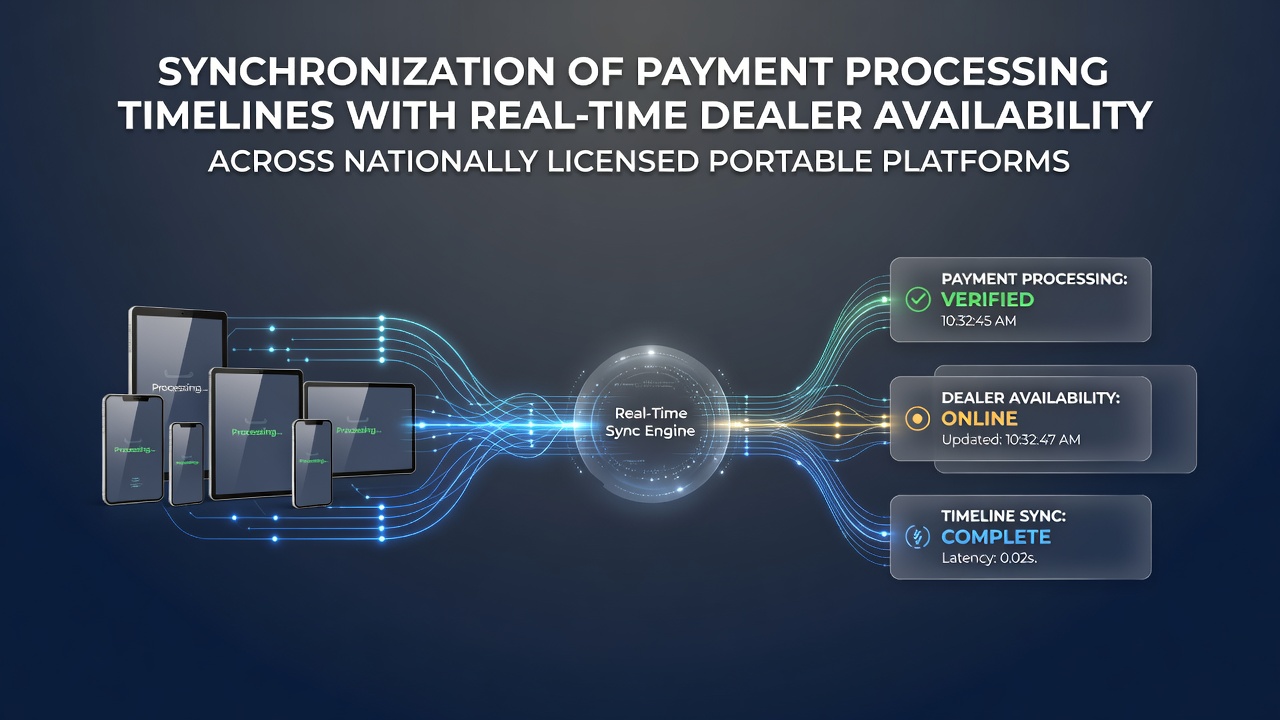
Payment processing timelines and real-time dealer availability have become tightly linked elements in nationally licensed portable platforms where live dealer sessions operate under strict regulatory oversight. Platforms must align fund transfers with dealer shift schedules so that users can access games without delays once sessions begin. This coordination relies on backend systems that monitor both financial rails and streaming schedules simultaneously.
Integration of Financial and Operational Systems
Live dealer platforms use application programming interfaces that connect payment gateways directly to dealer management software, allowing balance updates to occur within seconds of a dealer going live. Data from multiple jurisdictions shows that platforms achieving sub-30-second synchronization report higher session completion rates compared with those using separate verification steps. Regulatory bodies in several regions require these integrations to include audit logs that track both monetary movements and dealer status changes in a single record.
Observers note that the process begins when a user initiates a deposit, triggering an immediate check against available dealer slots rather than a standard queue system. Once cleared, the funds appear in the gaming account at the exact moment the dealer enters the virtual table, reducing idle time for participants. Industry reports indicate that this approach cuts average wait periods from several minutes down to near-instant activation across compliant networks.
Regulatory Requirements Across Jurisdictions
Nationally licensed portable platforms must comply with rules that tie payment approval speeds to operational availability metrics. In July 2026 several licensing authorities updated guidelines requiring documented evidence that payment systems can match dealer schedules without creating gaps exceeding predefined thresholds. These updates apply to operators holding licenses in multiple states or provinces where live dealer services are offered through mobile applications.
Authorities in different regions, including those referenced in analyses from the American Gaming Association, have published frameworks that emphasize synchronized timelines as a compliance factor. Platforms must demonstrate through testing that their systems handle peak loads while maintaining alignment between fund availability and dealer presence. Failure to meet these standards can result in temporary suspension of live dealer features until corrections are verified.
Technical Infrastructure Supporting Synchronization
Cloud-based orchestration tools sit at the center of these platforms, routing transaction data and dealer stream signals through unified servers that update both elements in parallel. Encryption protocols secure the combined data streams while allowing real-time queries from both payment processors and dealer management modules. Studies of deployed systems reveal that latency drops significantly when these components share the same data pipeline instead of operating through sequential handoffs.
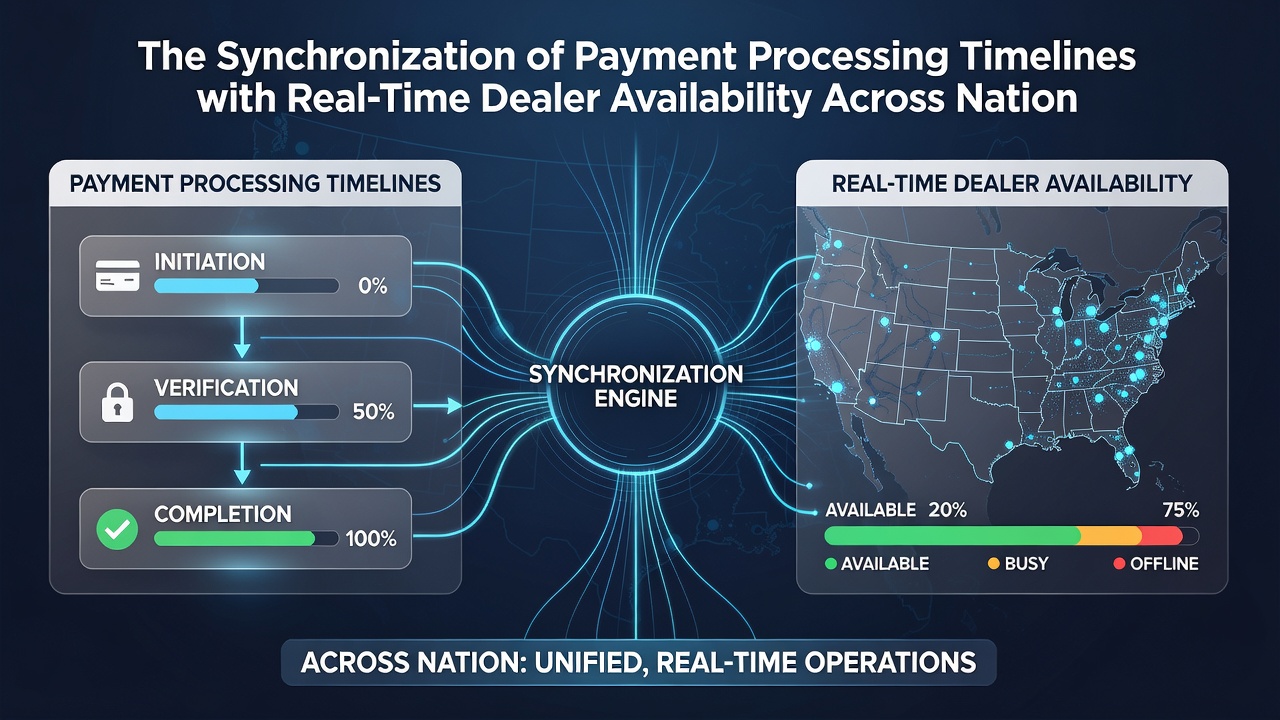
Developers implement event-driven architectures where a dealer login event automatically triggers a payment status refresh for waiting users. This method avoids the need for separate polling cycles that previously caused mismatches between account balances and session starts. Operators in regulated markets have documented reductions in transaction disputes after adopting these architectures, as records show simultaneous confirmation of funds and dealer readiness.
Challenges in Maintaining Consistent Timelines
Network variability across mobile carriers and geographic regions creates occasional desynchronization even on licensed platforms. Operators address this through redundant routing that reroutes both payment and stream data when primary paths experience congestion. Reports compiled by research institutions highlight that platforms using multi-path verification maintain higher uptime during high-traffic periods such as evening hours in major markets.
Cross-border operations add another layer because different national rules govern how quickly funds must clear before dealer access is granted. Platforms licensed in multiple areas maintain separate compliance modules that adjust timelines according to each jurisdiction's specifications while preserving a unified user experience. Data collected from these multi-jurisdictional deployments shows measurable improvements in session continuity when these modules operate without manual intervention.
Conclusion
The alignment of payment processing timelines with real-time dealer availability continues to evolve under national licensing regimes that prioritize both security and operational efficiency. Portable platforms rely on integrated technical systems and regulatory frameworks to deliver consistent access across regions. As updates such as those observed in July 2026 take effect, operators maintain focus on infrastructure that supports simultaneous financial and operational readiness. Further developments in these synchronized processes remain tied to ongoing compliance requirements and technological refinements documented by industry and regulatory sources.