Tracing the Connections Between National Security Certifications and Selection Criteria for Enthusiasts Seeking Diverse Entertainment Options Worldwide
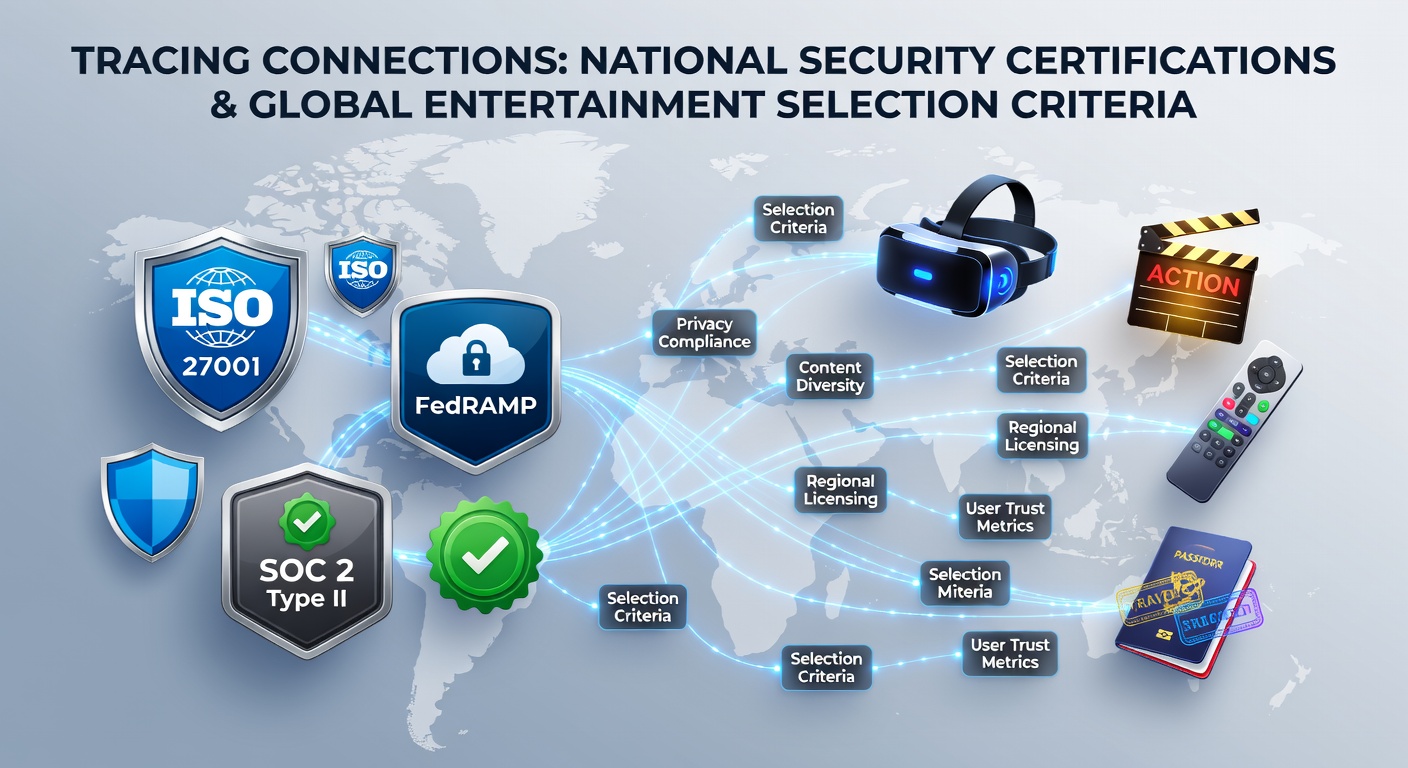
National security certifications establish frameworks that shape how individuals with specialized clearances approach entertainment choices across borders, and these standards intersect with selection criteria in measurable ways according to government reports from multiple regions. Those who hold clearances often evaluate platforms based on data handling protocols that align with certification requirements, which creates patterns in how enthusiasts identify options for streaming, live events, and digital content worldwide.
Defining National Security Certifications in Context
Certifications such as those issued under programs managed by the United States Department of Defense and equivalent bodies in Canada set baseline requirements for information protection that extend into personal technology use. Data from official sources indicate that holders must assess risks associated with foreign-owned applications before engaging with entertainment services, which influences decisions around video platforms and event ticketing systems. Researchers have documented that these evaluations prioritize encryption standards and data residency rules, leading enthusiasts to favor services hosted in jurisdictions with compatible security agreements.
European agencies including those in Germany and France apply similar certification layers through data protection regulations that affect cross-border entertainment access. Observers note connections where certified professionals screen content providers for compliance with these rules, which narrows options but ensures alignment with clearance obligations during international travel for concerts or festivals.
How Certifications Shape Selection Processes
Selection criteria emerge directly from certification mandates because individuals review application permissions and third-party integrations before committing to a service. Studies compiled by academic institutions reveal that clearance holders frequently apply checklists covering server locations, update histories, and audit trails when choosing streaming libraries or virtual event platforms. This process connects to broader patterns where enthusiasts in Australia and Japan mirror these steps after adopting comparable national frameworks in recent years.
What's interesting involves the way these criteria expand during periods of policy updates, such as those scheduled for review cycles in May 2026 across several allied nations. Figures from regulatory filings show increased scrutiny on entertainment apps with overseas data flows, prompting enthusiasts to adjust preferences toward providers that publish transparent security reports. And this adjustment happens without altering the core appeal of diverse content libraries spanning music, film, and interactive media.
Global Variations in Application
Regional differences appear when comparing how certifications translate into everyday choices. In North America, emphasis falls on domestic hosting requirements that guide selections toward established platforms with proven audit records. Meanwhile, Asia-Pacific approaches often incorporate bilateral agreements that open additional options for travel-based entertainment while maintaining certification compliance. Australian government resources outline these linkages through guidance documents that enthusiasts reference during planning for worldwide events.
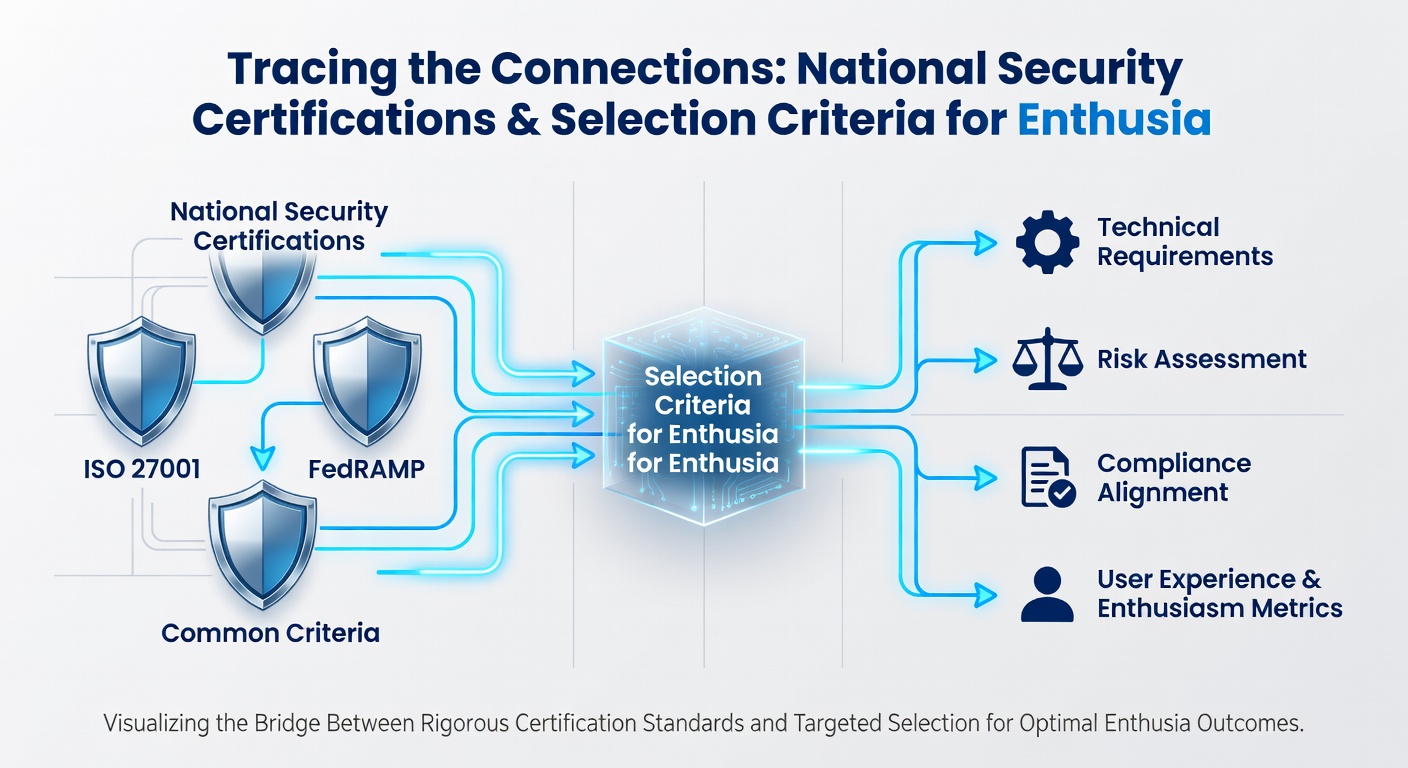
Take one case documented in research papers where professionals coordinated selections for a multi-country film festival circuit, applying certification filters that favored providers meeting both local and international benchmarks. This example illustrates how criteria function as filters rather than barriers, allowing access to varied experiences while preserving required protections. Data indicates similar coordination occurs among groups planning sports viewing events across continents.
Emerging Trends Through 2026
Policy developments anticipated around May 2026 may strengthen ties between certification renewals and entertainment platform vetting procedures. Industry reports from Canadian research centers suggest these changes could standardize evaluation tools used by enthusiasts, creating more uniform selection processes across borders. Yet current evidence shows enthusiasts already adapt by monitoring updates from bodies like the Canadian Centre for Cyber Security, which publishes resources on secure digital practices applicable to content consumption.
Connections strengthen further when certifications require ongoing training that includes modules on technology risk assessment, and participants apply those lessons directly to entertainment decisions. This produces observable trends where certain platforms gain traction among cleared communities due to consistent compliance documentation rather than promotional factors alone.
Conclusion
National security certifications and entertainment selection criteria maintain clear linkages through shared priorities around data security and compliance verification. Enthusiasts worldwide navigate these connections by integrating certification guidelines into their evaluation methods, resulting in patterns that favor secure yet diverse options across streaming, events, and digital media. Official sources from varied regions continue to document these intersections as frameworks evolve, providing reference points for those balancing clearance requirements with broad entertainment interests.