Tracing Verification Protocols Linking Portable Device Access to Tiered Reward Systems in International Gaming Jurisdictions
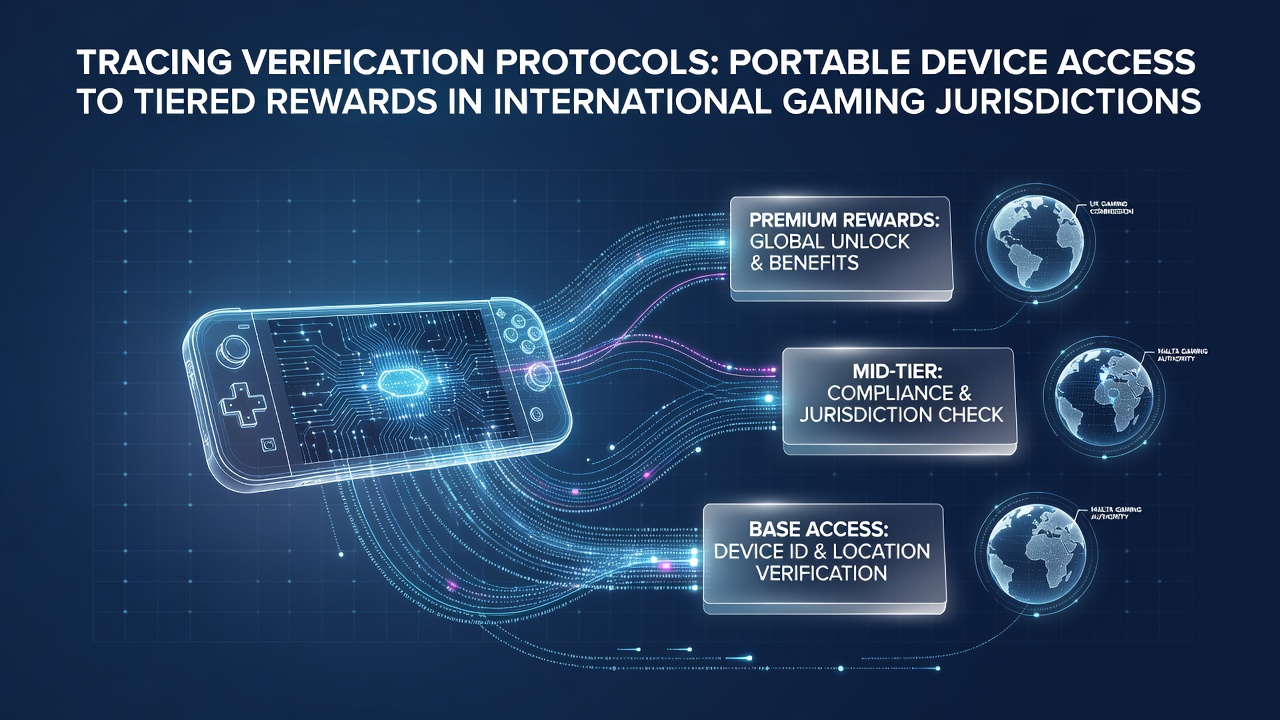
Verification protocols form the backbone of how portable device access connects to tiered reward systems across international gaming jurisdictions, and these mechanisms rely on layered authentication processes that combine device fingerprinting with geolocation data alongside identity checks. Regulatory frameworks in multiple regions require operators to implement these steps before users can reach loyalty tiers that unlock bonuses and cashback structures, while data shows that such systems evolved significantly by June 2026 as mobile platforms expanded their reach into new markets.
Device verification typically begins with hardware and software signatures that identify unique portable units, and this data feeds into centralized databases maintained by gaming authorities to prevent duplicate accounts or unauthorized access from restricted locations. Research from the University of Nevada, Las Vegas Center for Gaming Research indicates that these protocols reduce fraud incidents by cross-referencing IP addresses, SIM card details, and biometric elements like facial recognition in certain jurisdictions, and the process directly gates entry to reward tiers where higher play volumes trigger elevated benefits.
Core Components of Verification Across Borders
Jurisdictions such as those overseen by the Nevada Gaming Control Board enforce strict geofencing requirements that tie device location to account activation, and operators must log these checks continuously to maintain compliance while allowing seamless progression through loyalty levels. In contrast, frameworks in Australia administered by the Australian Communications and Media Authority emphasize real-time verification through third-party services that validate user details against government records before any reward tier becomes accessible on mobile interfaces. These differences create varied pathways yet share the common goal of linking verified portable access to structured reward allocation.
Operators integrate application programming interfaces that pull verification status into loyalty management platforms, and this connection ensures that only authenticated devices contribute to tier progression metrics like wagering volume or session frequency. Studies from the International Association of Gaming Regulators highlight how such integrations operate in real time, with protocols flagging anomalies that could disrupt tier eligibility, and the result appears in automated adjustments to reward availability across different national boundaries.
Technical Linkages Between Access and Rewards
Portable device access protocols often employ multi-factor authentication sequences that include one-time codes sent to registered numbers alongside app-based tokens, and these steps feed directly into algorithms that calculate tier status based on verified play history. Data from regulatory filings reveal that systems in the European Economic Area require periodic re-verification every 90 days for continued tier benefits, whereas Asian markets like those in Singapore apply continuous monitoring through device telemetry to adjust reward multipliers dynamically.

Tiered systems themselves operate on point accumulation models where verified sessions convert into status points, yet access remains contingent on ongoing protocol compliance that includes age confirmation and source-of-funds checks in select regions. Observers note that by June 2026 many platforms had adopted blockchain elements to create immutable logs of verification events, which then sync with reward engines to prevent retroactive tier downgrades from failed checks. This linkage maintains transparency while supporting cross-border player movement under mutual recognition agreements between certain regulators.
Regional Variations in Protocol Implementation
North American approaches frequently prioritize state-level databases that share verification data across borders within the United States, and this setup allows portable devices to carry verified status into new jurisdictions provided reciprocity exists. European operators face additional layers from data protection directives that limit how much device information transfers into reward systems, which forces segmented storage solutions that still permit tier calculations based on aggregated activity. Australian regulations add consumer protection mandates requiring clear disclosure of how verification data influences reward eligibility, and these rules shape the user experience on mobile platforms operating under those licenses.
Case examples from regulatory reports show operators in multiple markets deploying AI-driven anomaly detection that scans verification patterns for inconsistencies before updating tier levels, and such tools have become standard in platforms handling high-volume mobile traffic. The International Gaming Standards Association provides technical specifications that many jurisdictions reference when certifying these combined systems, ensuring that device access protocols align with reward distribution fairness requirements across different legal environments.
Future Trajectories in Protocol Evolution
Emerging standards point toward greater interoperability among verification systems in international contexts, with pilot programs testing unified device tokens that respect local rules while enabling tier continuity for traveling users. Regulatory updates scheduled around mid-2026 in several Canadian provinces introduce enhanced device authentication tied to national identity frameworks, which could serve as models for reward system linkages elsewhere. These developments build on existing patterns where verified access serves as the entry point for all tier-related features, from personalized promotions to exclusive game selections.
Conclusion
Verification protocols that connect portable device access to tiered reward systems continue to adapt across international gaming jurisdictions through coordinated technical and regulatory efforts. Data from multiple oversight bodies demonstrates consistent emphasis on authentication as the foundation for fair reward allocation, and the patterns established by June 2026 reflect ongoing refinements in how operators manage these intersections. The result supports compliant mobile gaming environments where device verification and loyalty structures operate as integrated components rather than separate functions.